
Fact vs Fiction: Renaissance Festivals and Medieval Faires
A Brief History of the Modern Faire
The modern fascination with medieval and renaissance aesthetics is undeniable. From the medieval revival of church architecture to the modern fantasy genre model, humanity remains inspired by this vast period of human history. One result of this fascination is the dawn of the Renaissance festival and related events. The original American Renaissance festival was called the The Pleasure Faire, and it emerged in Southern California in 1963. This was a fundraiser for the KPFK-Pacifica Radio, and it caught on quickly with counterculturalists, artisans, and the entertainment industry.
Before we dive in however, if you like what we are doing here you can support the Museum here. You can also follow us on Facebook and Instagram. You can also join our mailing list below!
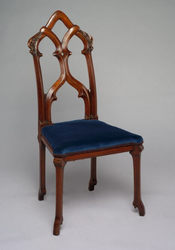
A recurrent trend in modern history, the medieval revival (otherwise known as medievalism) hit many other niches of life including furniture, music, and even clothing styles.
Medieval Marketplaces in Western Europe
To truly understand the modern festivity, one must first know the history! Public markets have been a staple of human society for thousands of years. In the medieval period, spanning the 10th to 14th centuries give-or-take, the merchant system emerged from the development of trade between isolated castles and keeps. This led to various places developing their own products within their own means of production and trading unique surplus goods with others via travelling merchants. This job was not well regarded; however, it was crucial to the development of the common marketplace, and ultimately the capitalist model of economics.
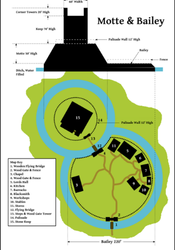
Different holds would specialize in the production of different goods such as wine, honey, cheeses, textiles, and more, but remained relatively self-sufficient for the bulk of the Medieval period.
Welcome to the Renaissance
Eventually, the medieval period gives way to the Renaissance. This was a period of relative abundance across the kingdoms of Europe. As trade routes expanded and the means of production changed with new technology, so did the ways in which goods and services were sold. Italy rose to prominence as a major global power and the center of trade between Europe, Asia, and Africa. Much of the art that was created or ended up in Italy during this period gives historians the only information we have on what peasant festivals and celebrations would have looked like. Much of these festivities celebrated the Christian saints (often mirroring pagan celebrations, but that is for another blog), and consisted primarily of feasting and dancing.
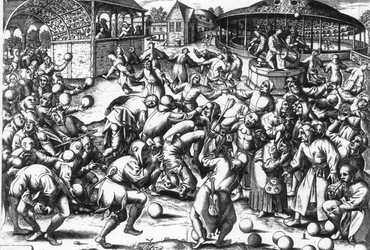
The Fools’ Convention, 1500, by Pieter Bruegel the Elder
Around the World
Now you may be wondering, what about outside of Western Europe? The globalization of trade during the Renaissance meant that the world was more connected than ever before. Not only were there global products in public markets, but there were traders from various cultures interacting with people at the far reaches of their known world. Although the terms “medieval” and “Renaissance” refer primarily to the European history, this period also saw the Islamic Golden Age, the establishment of significant states and dynasties across Asia, and major religious figures emerging in Africa. Along the Silk Road and aboard better-navigated ships, these people and ideas travelled the world, often meeting in markets and festivals.

The Islamic Golden Age gave rise to better medicine and care standards that spread around the world via merchant roads and monastic scriptoriums.
Ye Old Entertainment
Although the market serves as the foundation for the Renaissance festival and the socioeconomic upheaval of the second millennium, we cannot forget the fun and games! Entertainment options at the Renaissance Festival often include events such as jousting, theatre, and highland games; however, not all of these are true to history.
Jousting was a very real sport (or hastilude) throughout the medieval and renaissance period. It has its origins in heavy cavalry military tactics, but became a sport in the 15th century. In the late medieval period castles and palaces began to include tiltyards, a venue for jousting tournaments. The tradition faded out in lieu of less violent options in the late 17th century, but remains a pillar of medievalism. Most jousting tournaments today modify the game for general survivability, including the ring-catching version of the game that emerged during the colonial period.
Theatrical performances at modern Renaissance festivals often feature fantastical stories for children or lewd pirate comedy for adults, but this model is far from the historical art. During the Renaissance in particular, theatre became somewhat accessible to the working class. The cheap seats weren’t seating at all, as common folk were made to stand around an open-air stage. There was little room to move, and the socioeconomic elite might have sat on risers above them dropping trash and other unmentionables on people’s heads. These shows would include the audience quite heavily, eliciting loud shouts and jeers that persisted throughout the performances. The latter characteristic may still hold true for Renaissance festival theatre; however, venues today often have cleanliness standards, ADA accessibility, and shade available which is a big improvement.
The first historical reference to the Highland games, or at least something similar, comes from King Malcolm III of Scotland in the 11th century. Aside from this there is little evidence alluding to the sporting event. Many of the tests of strength that the games are known for today likely originated in contests between clans, or the romanticization thereof by 19th century Jacobite rebels.
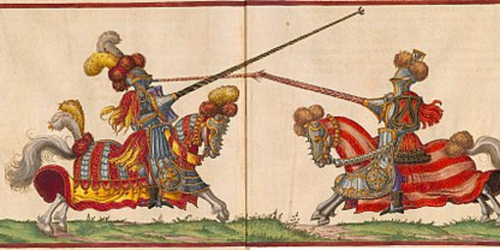
This artwork by Paulus Hector Mair in “De arte athletica” (1540) depicts a joust between knights in late-medieval armor.
The Verdict
At this point you are probably noticing some differences between the markets of yore and the festivals of today. Imagine, for a moment, if there was a duel between mounted combatants at your local farmer’s market. That would probably seem bizarre, or even illegal! Furthermore, what would you think if you and the other observers were wearing everything from ripped jeans to courtly gowns and eating pottage while it happened. Clearly, the renaissance festival is not a historical celebration. It’s a modern-outdoor-costumed-purchasing party that calls upon the aesthetics of history. Sometimes such events also include elements of fantasy with mermaids, fairies, and elves walking about. That being said, the Renaissance festival is still fun in spite of its anachronism. It can even be a good vessel to get people interested in the actual history! Events such as this are often hosting swordfighters, performers, and artisans that utilize historic methods in their craft and seek to educate the public via entertainment. Enjoy being a pedantic historian at the next Renaissance festival you attend!
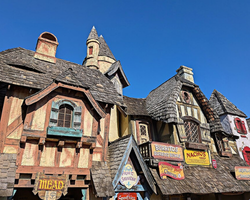
One of the many anachronistic aspects of the Renaissance festival is the food for sale. For an example of real medieval food check out this video by English Heritage.
